Shame
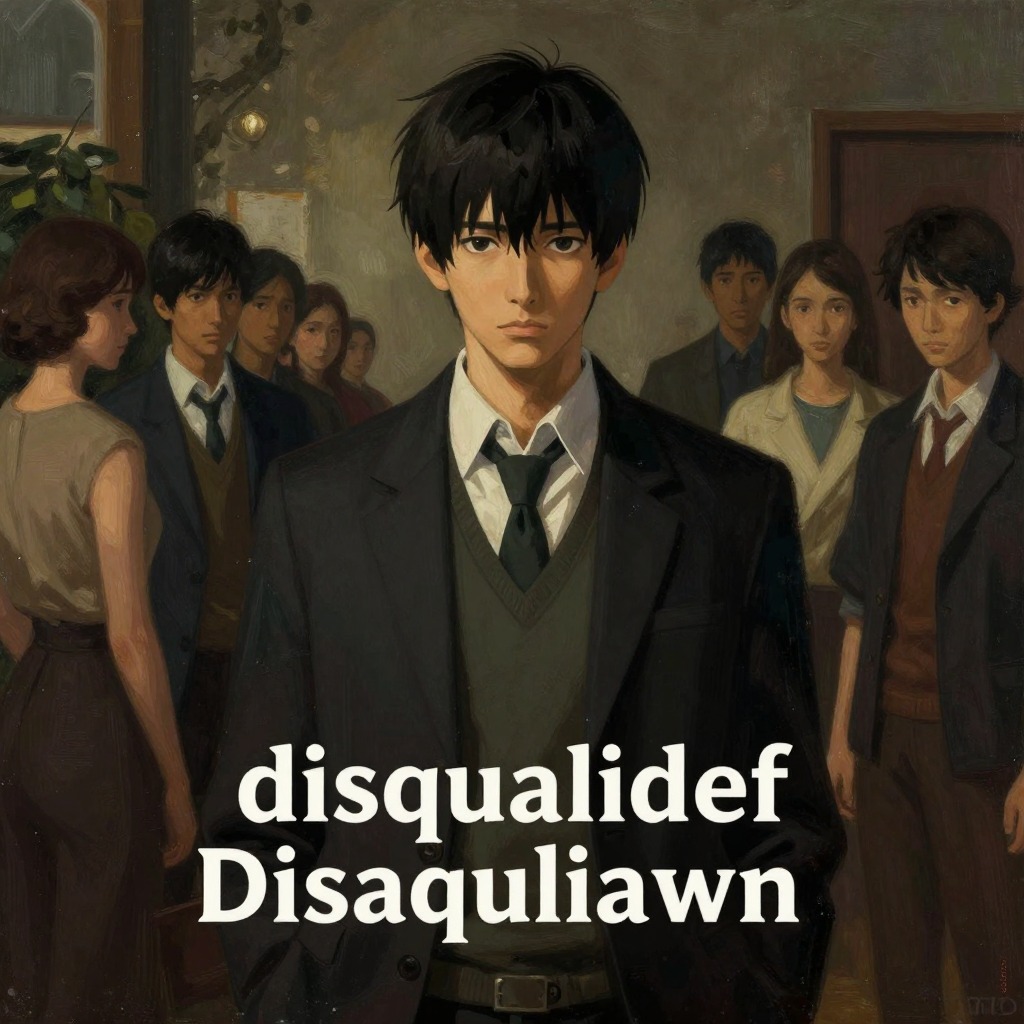
Shame is the central, defining emotional state of Yozo's life in No Longer Human, a pervasive and inescapable condition that shapes his every action and relationship. It is not merely a feeling of embarrassment but a profound, existential conviction of being fundamentally flawed and disqualified from the human race, a 'life of much shame' that drives his clowning, his self-destructive behavior, and his ultimate alienation.
The Origin and Nature of Shame
Yozo's life is introduced with the stark declaration, "Mine has been a life of much shame." This shame is not a reaction to specific misdeeds but an innate, pre-existing condition. From childhood, he is tormented by the feeling that he is the only one who is "entirely unlike the rest" of humanity, a conviction that makes him feel as if he is "suffering in hell" while others call him lucky. This fundamental sense of otherness is the root of his shame. He is unable to understand the basic mechanics of human life—the purpose of a station bridge, the necessity of eating, the nature of hunger—and this incomprehension fills him with a "dread of human beings." His shame is thus a form of existential terror, a fear that he is not a proper human being at all. This feeling is so profound that he believes he has been "burdened with a pack of ten misfortunes, any one of which if borne by my neighbor would be enough to make a murderer of him."
Shame as the Engine of Clowning
To conceal his shameful, terrified inner self, Yozo invents his "clowning." This is his "last quest for love" directed at human beings, a desperate performance designed to make others laugh and thereby prevent them from seeing his true, shameful nature. He becomes an "accomplished clown, a child who never spoke a single truthful word," feigning an "innocent optimism" while keeping his "melancholy and his agitation hidden." The clowning is a direct response to the fear that his shame will be exposed. The moment his performance is seen through—first by the classmate Takeichi, who whispers "You did it on purpose"—Yozo feels as if the world has burst into "the raging flames of hell." This exposure is a catastrophic event, a confirmation of his deepest fear. The shame of being discovered as a fraud is so great that it drives him to consider murder or suicide, though he never acts on the former.
Shame, Self-Destruction, and the Body
Shame in Yozo's life is intimately connected with bodily degradation and self-destruction. His shame is not an abstract concept but a visceral, physical experience. The humiliation he feels when Tsuneko looks into his wallet and sees only three copper coins is described as "a humiliation more strange than any I had tasted before, a humiliation I could not live with." This shame is so acute that it solidifies his resolve to die. Later, his shame manifests in his alcoholism and morphine addiction, which coarsen his face and cause his teeth to fall out. The physical decay is an outward sign of his inner shame. The moment he coughs blood into the snow, forming a "rising-sun flag," is a stark, public display of his internal corruption. His shame is also tied to the body through the "loathsome crime" perpetrated on him by the servants, an experience he endures in silence, smiling in his weakness, because he feels he has "no choice but to endure whatever came my way and go on playing the clown." This early violation deepens his sense of being fundamentally tainted and unworthy.
Shame, Social Outcast, and the Final Rejection
Yozo's shame ultimately leads to his complete social and psychological exile. He identifies himself as a "social outcast" from birth, feeling affection for others who are similarly designated. His shame is so profound that he cannot even conceive of himself as a criminal; instead, he feels a "criminal consciousness" that has been his "faithful companion." This internalized shame makes him passive and unable to resist the actions of others, including the violation of his wife, Yoshiko. The incident cleaves him "between the eyebrows," a wound that throbs with pain whenever he comes in contact with a human being. His final, institutionalized state is the ultimate expression of his shame: he is branded a "madman" and a "reject," having "ceased utterly to be a human being." The epilogue's revelation that the madam of the Kyobashi bar calls him "an angel" stands in stark, ironic contrast to Yozo's own shame-ridden self-portrait, suggesting that his shame was a blindness to his own gentleness and capacity for love, a tragic misrecognition that defined his entire existence.